Lead roofing has been used on buildings for centuries, and there is a good reason it has remained relevant for so long.
While many roofing materials have changed with modern construction methods, lead continues to be trusted for its durability, flexibility and long-term weather resistance. It is especially valued on heritage buildings, churches, period properties, bay windows, dormers, valleys, gutters and specialist roof details where reliability matters.
At first glance, lead may seem like a traditional material reserved mainly for older buildings. But in reality, it is still widely used across both historic and modern roofing projects. Its ability to form around complex shapes, cope with movement and provide long-lasting protection makes it one of the most dependable materials in specialist roofing.
As with any high-performance roofing material, though, the final result depends heavily on correct specification and installation.
Why Lead Has Stood the Test of Time
One of the biggest reasons lead roofing remains popular is its lifespan.
When installed properly, lead can last for decades. On some buildings, well-designed leadwork can perform for over a century. That kind of longevity makes it attractive for property owners who want a roofing material that does not need frequent replacement.
Lead is also naturally weather-resistant. It performs well in the UK climate, where roofs are regularly exposed to rain, frost, wind, changing temperatures and long periods of moisture. Unlike some materials that may crack, split or deteriorate quickly under constant exposure, lead is able to cope with demanding external conditions when detailed correctly.
Its flexibility is another major advantage. Lead can be shaped around awkward junctions, curved surfaces, roof penetrations and traditional architectural features. This makes it particularly useful on buildings where standard roofing materials may struggle to create a neat and reliable finish.
Why Lead Roofing Is Often Used on Heritage Buildings
Heritage buildings need roofing materials that respect the character of the structure while still offering strong protection.
Lead is often chosen for churches, listed buildings, stately homes and period properties because it has the right balance of appearance, tradition and performance. It does not look out of place on older architecture, and it can be worked into complex roof details without compromising the building’s original character.
Many historic buildings also have unusual roof shapes, decorative features, parapets, valleys, gutters and junctions that require skilled leadwork. These details need more than a standard roofing approach. They require knowledge of how the material behaves, how it should be supported, and how it should be allowed to move over time.
Poorly installed leadwork can cause serious problems, especially on older buildings where moisture may already be a concern. Correct detailing helps protect both the roof covering and the structure beneath it.
Lead Roofing on Modern Properties
Although lead is strongly associated with heritage roofing, it is also used on modern buildings.
On contemporary homes and extensions, lead can provide a clean, reliable finish around roof junctions, dormers, flat roof details, chimney areas, abutments and valleys. It is often used where a durable, weather-resistant detail is needed rather than as the main visible roof covering.
This is one of lead’s strengths. It can be used as a full roofing material in the right setting, but it is also extremely valuable for supporting the performance of other roofing systems.
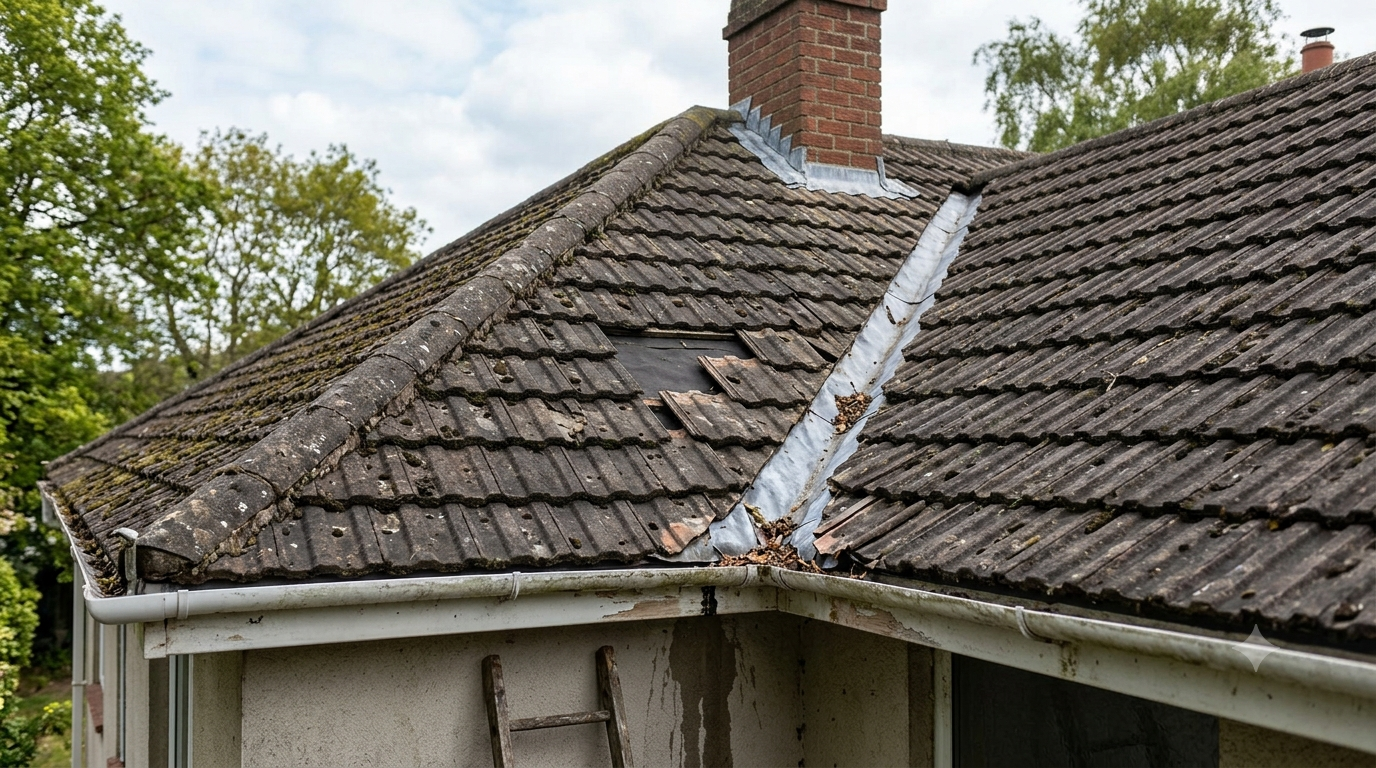
For example, lead flashings are commonly used to protect vulnerable junctions where a roof meets a wall, chimney, parapet or change in level. These areas are often where leaks begin if the detailing is poor. Well-installed leadwork helps direct water away from the building and reduces the risk of water ingress.
Common Uses for Lead Roofing
Lead can be used in several different areas of a roof, depending on the building design and requirements.
Common uses include:
- roof valleys
- flashings
- dormers
- bay windows
- gutters and box gutters
- chimney details
- parapets
- church roofs
- heritage roof restoration
- specialist architectural details
Each use requires the right lead code, correct fixing method and suitable allowance for movement. Lead expands and contracts with temperature changes, so it needs to be installed in a way that allows natural movement without splitting or pulling away from the roof structure.
Why Correct Lead Code Matters
Lead is available in different thicknesses, commonly referred to as lead codes.
The correct code depends on where the lead is being used and how much stress it will be under. A small flashing detail may not require the same thickness as a larger flat area or exposed roof section.
Using lead that is too thin for the application can lead to premature failure. Using the wrong size sheet, fixing it incorrectly or failing to allow for movement can also cause cracking, lifting or water ingress over time.
This is why professional specification matters. Lead roofing should not be approached as a one-size-fits-all material. The right choice depends on the roof design, exposure, slope, detailing and expected movement.
Why Leadwork Can Fail
Lead is a highly durable material, but it can still fail if it is poorly installed or badly maintained.
One of the most common causes of failure is poor detailing. If the lead sheets are too large, fixed too tightly or installed without proper movement allowances, the material may split as it expands and contracts. Equally important is the roof build-up beneath the lead. If the substrate and supporting layers are not designed or installed correctly, the lead may suffer from underside corrosion caused by trapped moisture and poor ventilation. Poor support underneath the lead can also create stress points, uneven movement and premature failure.
Water can also become an issue if drainage is not considered properly. Standing water, blocked outlets or badly formed falls can reduce the effectiveness of the roof and increase the risk of leaks.
Leadwork may also suffer from damage over time, especially on roofs that have been walked on, altered, patched poorly or affected by surrounding building movement.
Signs Lead Roofing May Need Attention
Lead roofing problems are not always obvious from ground level. In many cases, issues only become clear once water has already entered the building.
Signs that leadwork may need inspection include:
- visible splits or cracks
- lifting edges
- staining on internal ceilings or walls
- loose or missing flashings
- pooling water
- patched areas that are starting to fail
- movement around chimneys or parapets
If any of these signs appear, it is usually better to arrange an inspection sooner rather than waiting for the problem to worsen. Small lead roof repairs may be much simpler and less disruptive than dealing with widespread water damage later.
Repair or Replacement?
Not every lead roofing issue requires full replacement.
In some cases, damaged sections can be repaired or replaced locally. This may be suitable where the surrounding leadwork remains in good condition and the problem is limited to a specific area.
However, if the lead has been poorly installed, is the wrong thickness, has widespread cracking or sits on an unsuitable roof build-up, replacement may be the better long-term option.
A professional roofing contractor can assess whether repair, renewal or redesign is most appropriate. The aim should always be to solve the cause of the problem, not just cover the visible damage.
Why Skilled Installation Matters
Lead roofing is specialist work.
It requires knowledge of material movement, sheet sizing, fixing methods, weathering details, substrate preparation and drainage. The workmanship must be precise because small mistakes can have long-term consequences.
This is particularly important on heritage buildings, where the roof may include complex architectural details or historic materials that need careful handling. It also matters on modern buildings, where leadwork often protects vulnerable junctions between different roofing systems.
A well-installed lead roof or lead detail should not only look tidy. It should protect the building properly, manage water effectively and perform reliably over many years.
Lead Roofing and Long-Term Value
Lead may not always be the cheapest material upfront, but its long service life can make it a strong investment.
A roof detail that lasts for decades with minimal intervention can offer better value than cheaper alternatives that need regular repair or replacement. This is especially true on buildings where access is difficult, disruption is costly or maintaining the character of the property is important.
For heritage properties, long-term value is not only about cost. It is also about preserving the building properly and using materials that are appropriate for its age, design and structure.
Frequently Asked Questions
Is lead roofing still used today?
Yes, lead roofing is still widely used on both heritage and modern buildings. It is especially common for flashings, valleys, dormers, bay windows, gutters, churches and specialist roof details.
How long does lead roofing last?
Properly installed lead roofing can last for many decades, and in some cases over 100 years. Its lifespan depends on the quality of the installation, correct lead code, roof design and maintenance.
Can lead roofing be repaired?
Yes, many lead roofing issues can be repaired if the damage is localised. However, if the lead has been incorrectly installed or has widespread cracking, replacement may be required.
Why does lead roofing split?
Lead can split when it has not been allowed to move properly. This may happen if sheets are too large, fixings are incorrect, or the wrong lead code has been used for the application.
Final Thoughts
Lead roofing remains one of the most reliable and respected materials in specialist roofing.
Its durability, flexibility and weather resistance make it suitable for a wide range of applications, from heritage roof restoration to modern roof detailing. But like all high-performance materials, it must be specified and installed correctly.
The right lead code, correct sheet sizing, careful fixing, good drainage and skilled workmanship all play a vital role in long-term performance.
For property owners, architects and contractors looking for a roofing material with proven longevity, lead continues to be a strong and dependable choice.
JTC Roofing provides specialist lead roofing, lead roof repairs, heritage roofing, metal roofing and roof restoration services across the UK.