Metal roofing is known for its durability, strength, and long lifespan. But like any part of a building, it isn’t completely maintenance-free.
Over time, exposure to weather, temperature changes, and general wear can lead to small issues. Left untreated, these minor problems can grow into more serious and costly damage.
The good news is that timely repairs can make a significant difference.
Metal roof repairs don’t just fix issues; they help protect your investment and extend the life of your roof for years to come.
Why Do Metal Roofs Still Need Repairs?
Metal roofs are built to last, but they are constantly exposed to the elements.
Common causes of wear include:
- Heavy rain and wind
- Temperature expansion and contraction
- Debris impact
- Natural ageing of materials
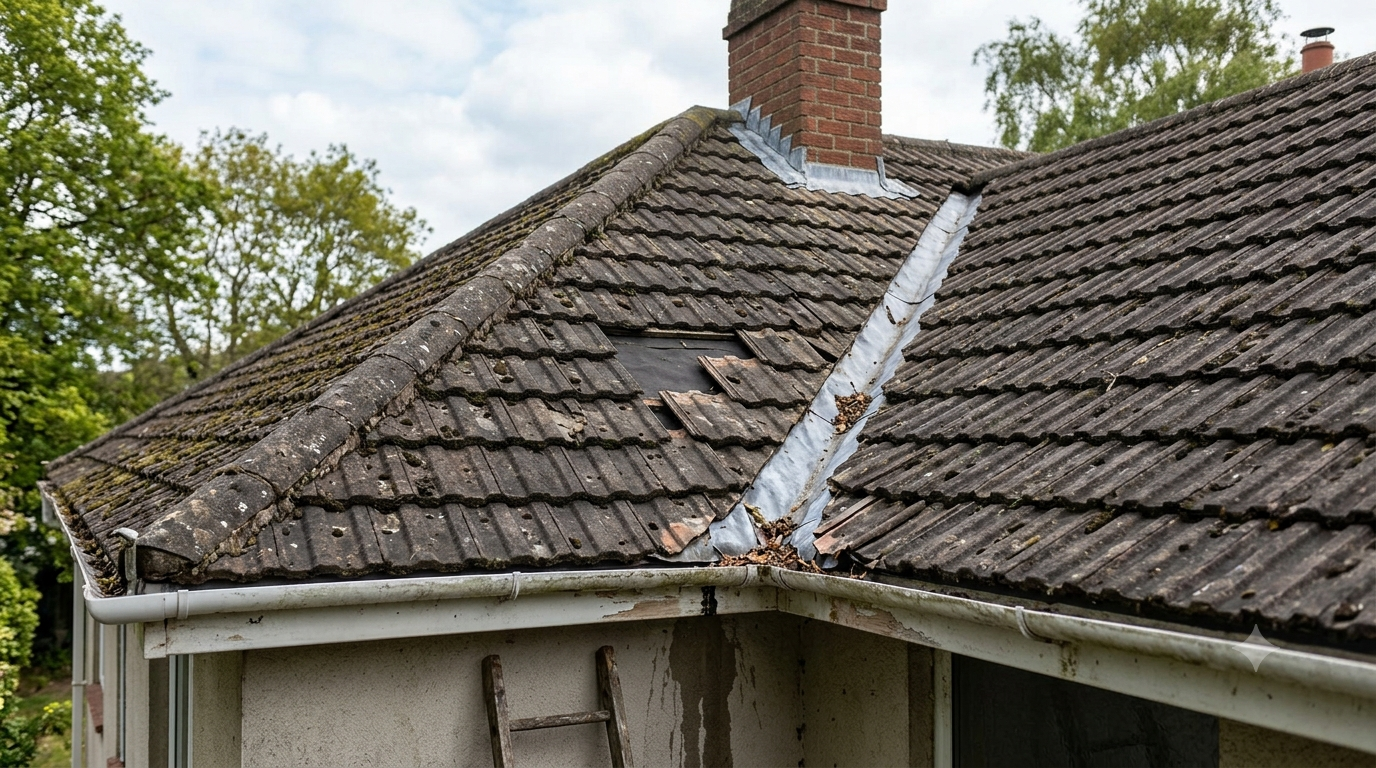
Even high-quality metal roofing systems can develop:
- Loose fixings
- Minor leaks
- Surface wear
The key point
Small issues are normal but addressing them early is what keeps the roof performing well.
How Do Small Roof Repairs Prevent Bigger Problems?
One of the biggest advantages of early repair is prevention.
Minor issues can quickly escalate
- A small leak can lead to water damage
- Loose panels can worsen in strong winds
- Surface corrosion can spread over time
Acting early
Repairing these issues promptly helps:
- Protect the underlying structure
- Avoid costly replacements
- Maintain overall performance
How Do Repairs Extend the Lifespan of a Metal Roof?
A well-maintained metal roof can last decades, but repairs play a key role in achieving that lifespan.
Repairs help by
- Reinforcing weak areas
- Restoring protective coatings
- Securing loose components
Long-term impact
Instead of replacing the roof prematurely, regular maintenance allows you to maximise its full lifespan.
What Types of Metal Roof Repairs Are Common?
Not all repairs are major—many are straightforward when caught early.
Typical repairs include
- Fixing leaks and sealing joints
- Replacing damaged panels
- Tightening or replacing fixings
- Treating corrosion or rust spots
A practical approach
Most repairs are quick and cost-effective when handled by experienced professionals.
How Does Maintenance Improve Performance?
Repairs are not just about fixing damage; they also improve how the roof performs.
Better weather resistance
A well-maintained roof is more resistant to:
- Water penetration
- Wind uplift
- Temperature changes
Improved efficiency
Repairs can help maintain insulation performance and reduce energy loss. Your roof continues to perform as intended, even after years of use.
Can Repairs Save You Money in the Long Run?
Yes and this is one of the biggest advantages.
Cost comparison
- Minor repairs are relatively inexpensive
- Full roof replacement is significantly more costly
Smart investment
Regular repairs reduce the likelihood of major issues, helping you avoid unexpected expenses.
Why Is Professional Repair Important?
While some issues may seem minor, proper repair requires expertise.
A professional ensures
- Accurate identification of the problem
- Correct repair methods
- Use of suitable materials
Quality matters
Working with experienced roofing specialists ensures repairs are done properly the first time—helping extend the roof’s life more effectively.
How Often Should Metal Roofs Be Inspected?
Regular inspections are essential for catching problems early.
Recommended frequency
- At least once a year
- After severe weather conditions
That said, routine checks help identify issues before they develop into larger concerns.
How Weather Exposure Impacts Metal Roofing Over Time
Over time, even the most durable metal roofs are affected by constant exposure to the elements. In the UK, changing weather conditions—from heavy rain and strong winds to temperature fluctuations can gradually weaken certain parts of the roofing system.
Expansion and contraction caused by temperature changes may loosen fixings, while prolonged moisture exposure can lead to minor corrosion if not addressed early.
Debris carried by wind can also cause surface wear or small dents. While these issues are often subtle at first, they can develop into larger concerns if left unchecked.
Regular inspections and timely repairs help counteract these effects, ensuring that your metal roof continues to perform reliably. By addressing weather-related wear early, you not only protect the structure beneath but also maintain the roof’s durability, appearance, and long-term value.
What Are the Signs Your Metal Roof Needs Repair?
Knowing what to look for can help you act quickly.
Common warning signs
- Water stains or leaks
- Visible rust or corrosion
- Loose or missing fixings
- Unusual noises during wind
Don’t ignore early signs
Addressing these issues early can prevent more extensive damage.
How Do Repairs Support Property Value? H2
Your roof plays a key role in the overall condition of your property.
Well-maintained roofing
- Enhances curb appeal
- Improves structural integrity
- Reassures potential buyers
Long-term benefit
Regular repairs help maintain both the appearance and value of your property.
Frequently Asked Questions (FAQs)
How long do metal roofs last?
With proper maintenance and repairs, metal roofs can last 40–70 years or more.
Are metal roof repairs expensive?
Most repairs are relatively affordable, especially when compared to full replacement costs.
Can small leaks be ignored?
No, even minor leaks should be addressed quickly to prevent further damage.
Final Thoughts
Metal roofs are built for durability, but their longevity depends on how well they are maintained.
Timely repairs help prevent small issues from becoming major problems, extend the life of the roof, while maintaining performance and appearance
With the right approach, a metal roof can continue to provide reliable protection for decades.
Because in the end, it’s not just about fixing damage but about preserving the strength and value of your roof over time.