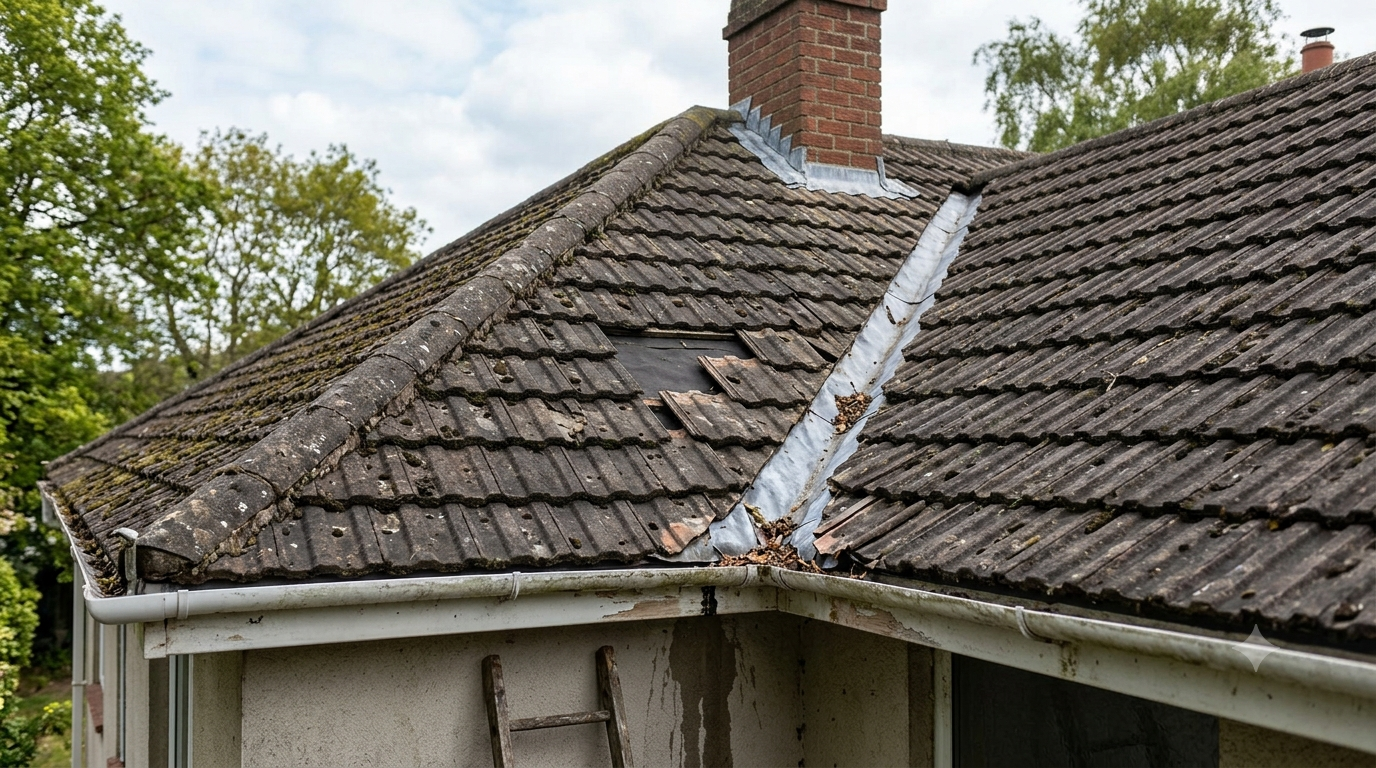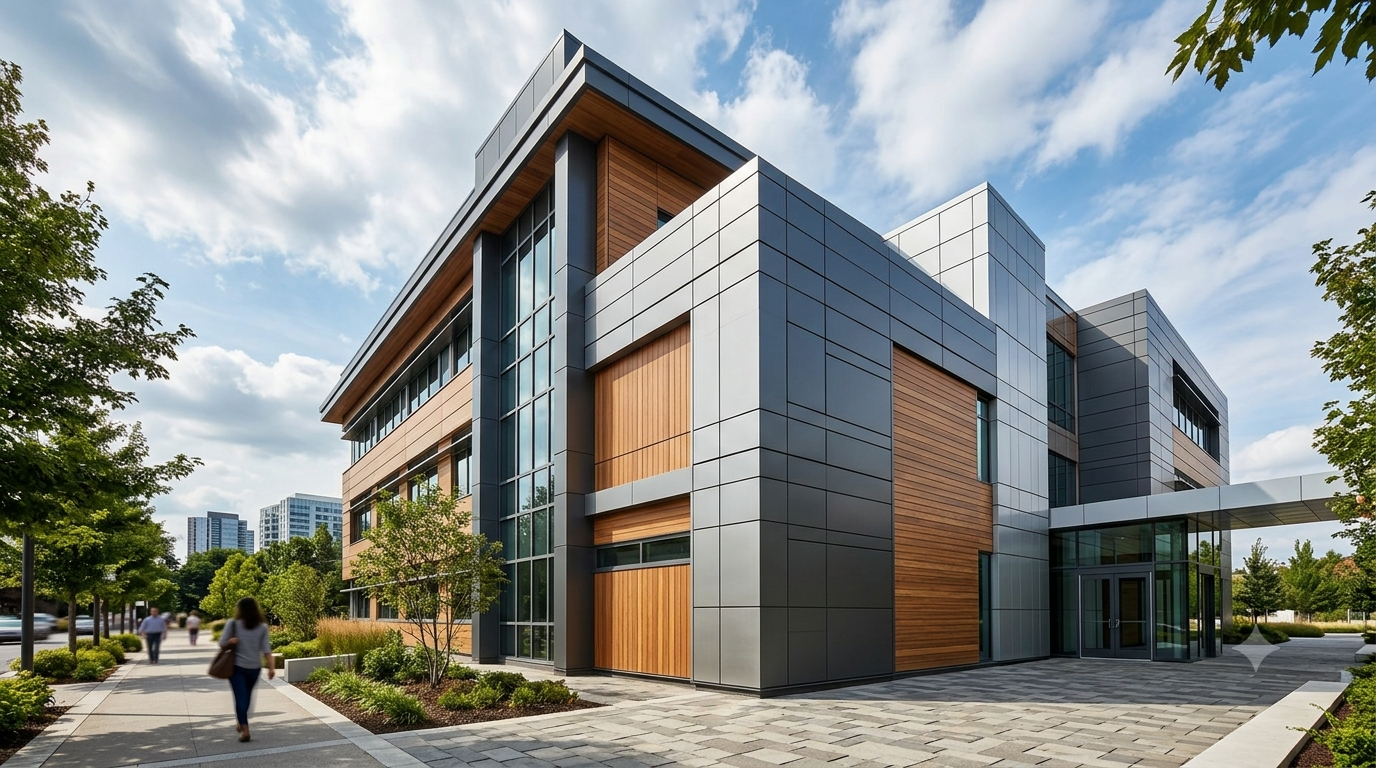
The UK’s climate can be demanding on any building. One week may bring heavy rainfall and strong winds, while the next sees freezing temperatures or prolonged sunshine. Over time, changing weather conditions can affect a property’s exterior, leading to water ingress, heat loss, and unnecessary repair costs if the building is not adequately protected.
One of the most effective ways to safeguard a property’s exterior is through a professionally installed cladding system. More than just an architectural feature, cladding acts as an additional protective layer that helps preserve the building’s structure, improves energy efficiency and extends the life of external walls. When installed by experienced roofing and cladding contractors, it becomes a long-term investment in the performance and durability of the property.
What Is Cladding?
Cladding is an external covering fixed to the outside of a building. It creates a protective envelope between the building’s structural walls and the surrounding environment, reducing direct exposure to rain, wind and temperature changes.
Modern cladding systems are available in a wide range of materials, including aluminium, steel, zinc and composite panels. Each offers different advantages depending on the type of building, its location and the level of protection required.
While appearance is often a key consideration, the primary purpose of cladding is to improve a building’s resilience against the elements while maintaining critical safety standards.
Why the UK Climate Demands Extra Protection
Unlike countries with more predictable weather, buildings in the UK experience a combination of seasonal conditions throughout the year.
Frequent rainfall can allow moisture to penetrate vulnerable areas, while strong winds place additional pressure on roofs and external walls. During winter, repeated freezing and thawing cycles can gradually weaken exposed materials, and in coastal locations, salt carried by sea air can accelerate corrosion.
These conditions make it essential for buildings to have an exterior that is designed to withstand long-term environmental exposure.
Keeping Rain Where It Belongs
Water is one of the biggest causes of building deterioration. Once moisture finds its way behind external walls, it can lead to damp patches, mould growth and damage to internal finishes.
A properly designed cladding system helps prevent rain from reaching the building’s structure. Instead, water is directed away from the property, helping keep walls dry and reducing the likelihood of expensive repairs.
This level of protection is especially valuable for commercial and industrial buildings, where water damage can disrupt business operations as well as increase maintenance costs.
Providing an Extra Defence Against Wind
Strong winds don’t just affect roofing; they also force rain into small gaps and weak points around a building.
Professionally installed cladding creates an additional barrier that helps reduce the impact of wind-driven rain. When every panel, joint and flashing is fitted correctly, the building is better equipped to withstand severe weather throughout the year.
This is why many property owners choose experienced roofing and cladding contractors who understand how both roofing and wall systems work together to create a fully weather-resistant building envelope.
Improving Energy Efficiency
Cladding does more than keep the weather outside. Modern systems often include insulation that helps regulate indoor temperatures throughout the year.
By reducing heat escaping during winter and limiting heat gain in warmer months, insulated cladding can lower energy consumption and improve comfort for occupants.
For businesses, this can contribute to reduced running costs while supporting sustainability goals through improved building performance.
Prioritising Fire Safety and Non-Combustible Materials
While weatherproofing and energy efficiency are vital, fire safety is paramount when selecting and installing modern cladding systems. Following the tragic Grenfell Tower fire, UK building regulations and policies surrounding external wall construction have undergone significant, ongoing revisions.
It is crucial to consider the full build-up of the cladding system—not just the visible outer panels, but also the internal insulation, cavity barriers, membranes, and backing materials. Modern regulations strictly limit or prohibit the use of combustible materials on specific building types and heights, making non-combustible materials (typically rated A1 or A2-s1, d0) standard requirement for responsible installations. Ensuring that every layer within the wall assembly is non-combustible guarantees that weather protection never comes at the expense of occupant safety or regulatory compliance.
Protecting the Building Structure
External walls are constantly exposed to sunlight, rain, frost and pollution. Over time, these conditions gradually wear down traditional construction materials.
Cladding acts as a protective shield, reducing direct exposure and slowing the natural ageing process of the building. This helps preserve the structural integrity of the property and can significantly extend its service life.
For many property owners, this means fewer major repairs over the lifetime of the building.
Helping Control Moisture
Modern ventilated cladding systems are designed to manage moisture effectively.
Rather than trapping condensation inside wall cavities, they allow air to circulate naturally, helping moisture escape before it causes problems. This reduces the risk of mould, timber decay and corrosion while supporting a healthier internal environment.
Effective moisture management is particularly important in the UK’s damp climate, where prolonged wet weather is common throughout much of the year.
Lower Maintenance Over Time
Every building requires maintenance, but the right external protection can reduce how often repairs are needed.
Because cladding shields the underlying structure from daily exposure to the weather, brickwork, render and structural materials remain in better condition for longer. Many metal cladding systems also require very little routine maintenance, making them a practical choice for both commercial and residential properties.
Regular inspections are still recommended, but long-term upkeep is often simpler and more cost-effective than repairing weather-damaged walls.
Choosing the Right Cladding System
There is no single solution that suits every property.
The ideal system depends on several factors, including the building’s height, location, intended use, fire safety requirements, and environmental exposure. Material selection, non-combustible insulation performance and installation quality all play an important role in determining how well the system performs over time.
Working with knowledgeable roofing and cladding contractors ensures these factors and safety policies are considered from the outset, helping property owners select a solution that offers lasting value.
Professional Installation Makes the Difference
Even the highest-quality materials can underperform if they are installed incorrectly.
Proper detailing around corners, windows, roof junctions, fire barriers, and drainage points is essential for preventing water ingress and ensuring long-term reliability. Skilled contractors understand how each component works together to create a complete, compliant weatherproof system while adhering to ever-evolving UK building standards.
Choosing experienced specialists helps reduce the risk of future issues and provides confidence that the installation will perform safely as intended.
Conclusion
The UK’s changing weather places constant demands on buildings, making effective external protection more important than ever. A well-designed cladding system helps defend against rain, wind, moisture and temperature fluctuations while improving insulation, ensuring fire safety, reducing maintenance and extending the lifespan of the property.
Whether you’re planning a new development or upgrading an existing building, working with trusted roofing and cladding contractors ensures your investment delivers reliable, fully compliant performance for years to come. Combined with a high-quality roofing system, professionally installed non-combustible cladding provides a durable building envelope that stands up to the challenges of the British climate.