Aluminium roofing has become a popular choice for modern buildings, extensions, commercial properties and architectural cladding projects.
It offers a strong combination of durability, low weight and corrosion resistance, making it suitable for a wide range of roofing applications. For property owners and architects looking for a clean metal finish without adding unnecessary weight to the structure, aluminium can be a practical and attractive option.
Like all metal roofing systems, its performance depends on more than the material alone. Correct design, build-up, detailing and installation quality all influence how well the roof performs over time.
When installed properly, aluminium roofing can provide a long-lasting, weather-resistant finish that works well across both domestic and commercial projects.
Why Aluminium Is Used for Roofing
One of aluminium’s biggest advantages is its weight.
It is lighter than many other roofing metals, which can make it useful for projects where structural load is an important consideration. This may include extensions, refurbishments, cladding projects, outbuildings and roofs where a lighter system is preferred.
Despite being lightweight, aluminium is also durable. It naturally resists corrosion, which makes it well suited to the UK climate. Roofs in this country need to cope with rain, wind, frost, moisture and regular temperature changes, so corrosion resistance is an important factor when choosing a material.
Aluminium can also be formed into clean, modern profiles, making it popular for standing seam roofing and architectural cladding. The finished look can be sharp, contemporary and well suited to modern building design.
A Strong Option for Modern Extensions
Modern extensions often need a roof that looks deliberate rather than simply practical.
Aluminium roofing can work well in this setting because it gives the extension a clean, finished appearance. It pairs well with brick, timber, render, glass and other modern materials, making it a flexible option for both contrast and continuity.
On a single-storey extension, the roof may be highly visible from upper windows or neighbouring properties. In these situations, appearance matters. A well-installed metal roof can help lift the overall design and make the extension feel more considered.
Aluminium can also be used for matching cladding details, helping create a consistent finish across the roof and vertical surfaces.
Aluminium Roofing for Commercial Buildings
Aluminium is not limited to domestic projects.
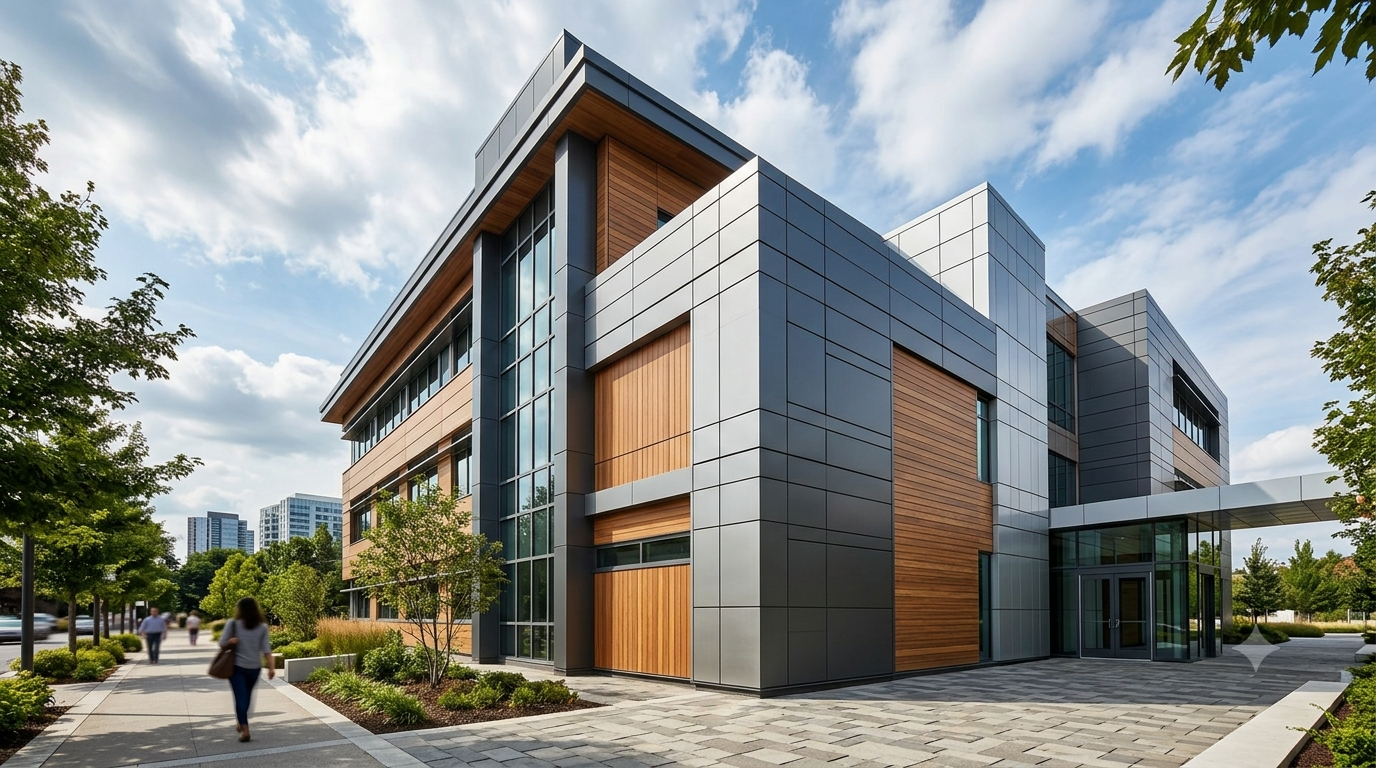
It is also used on commercial buildings where durability, low weight and a smart external finish are important. This may include offices, retail spaces, public buildings, schools, leisure facilities and modern developments.
Commercial roofs often need to perform under demanding conditions. They may cover larger areas, include more complex junctions, or need to integrate with other systems such as gutters, rooflights, plant equipment and cladding.
In these environments, aluminium can be a practical choice when the system is designed properly. Its light weight can reduce load on the structure, while its resistance to corrosion helps support long-term performance.
How Aluminium Compares with Other Metal Roofing Materials
Different roofing metals suit different projects.
Zinc is often chosen for its natural patina and long-established architectural appeal. Copper is selected for its distinctive appearance and the way it changes over time. Lead is highly valued for heritage work, flashings and complex traditional detailing. Stainless steel is often chosen for demanding environments where exceptional corrosion resistance is needed.
Aluminium sits in a useful position among these materials. It is lightweight, corrosion-resistant and visually versatile. It can be used on modern homes, extensions, commercial buildings and cladding schemes where a clean metal finish is required.
The best material will always depend on the building, budget, design aims and environmental conditions. Aluminium is not the answer for every roof, but it can be an excellent option where weight, durability and appearance are key factors.
Where Aluminium Roofing Works Well
Aluminium roofing can be suitable for a range of projects, especially where a modern finish and lighter material are preferred.
Common applications include:
- house extensions
- garden rooms and outbuildings
- standing seam roofs
- roof cladding
- commercial buildings
- modern new builds
- roof refurbishments
- architectural detailing
Suitability still depends on the roof pitch, exposure, design, drainage and installation method. A professional assessment helps ensure the system is right for the building rather than chosen on appearance alone.
Why Roof Build-Up Matters
The visible aluminium surface is only one part of the roof.
Underneath, the roof build-up needs to manage moisture, insulation, ventilation, movement and support. If these elements are not designed correctly, the roof may suffer from condensation issues, poor drainage, movement stress or premature deterioration.
This is particularly important with metal roofing because temperature changes cause metal to expand and contract. A well-designed system allows for this movement while maintaining weather protection.
The substrate, underlay, fixings, seams, flashings, abutments and junctions all need to work together. If one part is poorly detailed, it can affect the performance of the whole roof.
Corrosion Resistance and UK Weather
Aluminium is naturally resistant to corrosion, which is one of the reasons it is often used externally.
In roofing, this matters because the material is exposed to moisture throughout the year. Rain, frost, damp air and temperature changes all place demands on a roof covering. Aluminium’s resistance to rust gives it a practical advantage over some other materials in wet conditions.
However, corrosion resistance does not mean the roof can be installed without care. Compatibility with other materials still matters. Poor detailing, trapped moisture, incorrect fixings or unsuitable contact with other metals can all create avoidable problems.
This is why specialist installation is important. The material performs best when it is used as part of a properly designed system.
Maintenance and Long-Term Performance
Aluminium roofing is generally considered low maintenance, but it should not be ignored completely.
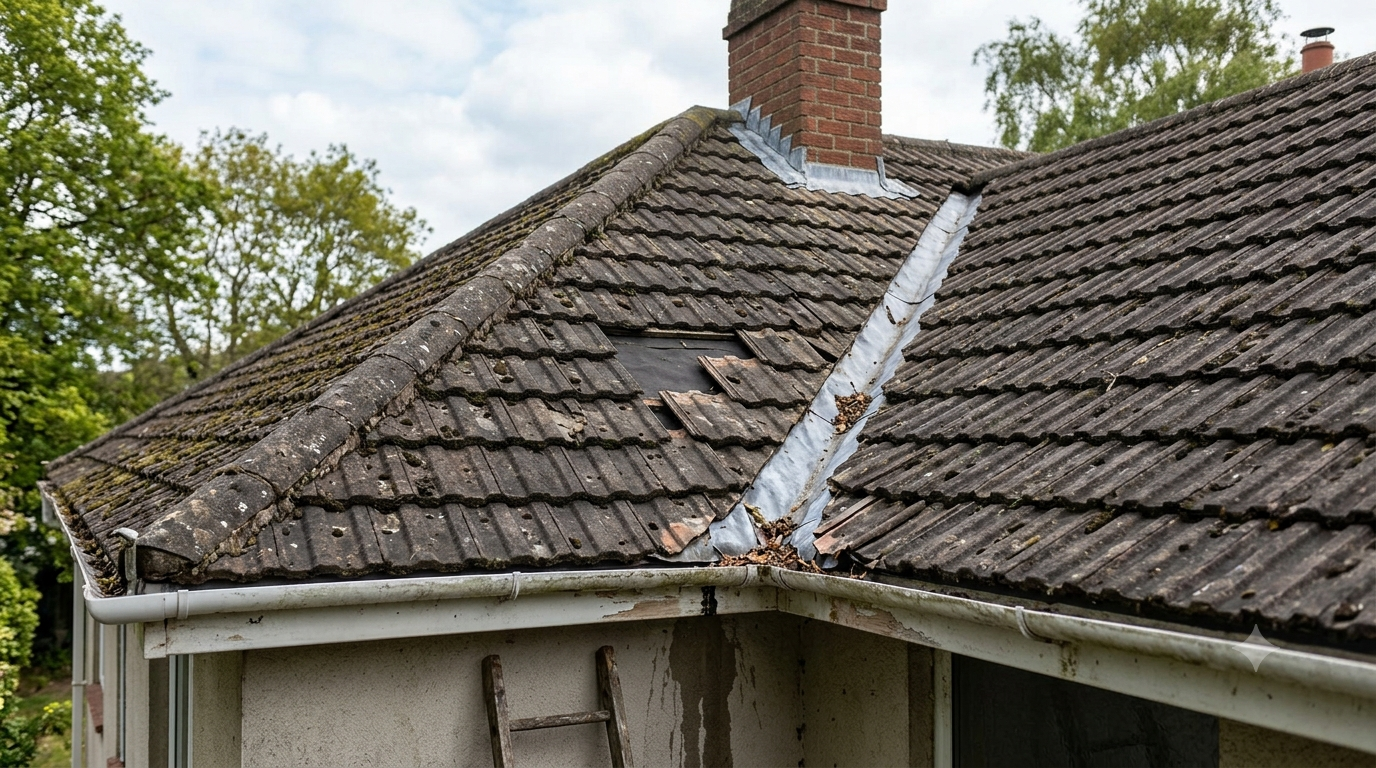
All roofs benefit from routine checks. Gutters should be kept clear, drainage should be working properly, and flashings or junctions should be inspected periodically. If damage occurs, it should be dealt with early before it develops into a more serious issue.
A well-maintained aluminium roof can offer excellent long-term performance. The key is to combine good material choice with proper installation and sensible ongoing care.
This is especially important on commercial buildings and larger properties where small roofing problems can quickly become disruptive or expensive.
Aluminium Roofing and Cladding
One of aluminium’s strengths is that it can be used for both roofing and cladding.
This gives architects and designers more flexibility. A roof and wall area can be finished in a similar material, creating a clean, consistent appearance. Alternatively, aluminium can be used as a feature material alongside brick, timber, render or glass.
This makes it particularly useful for modern projects where the external appearance is a major part of the design.
Aluminium cladding can also help protect the building envelope while adding a crisp architectural finish. As with aluminium roofing, correct detailing and installation are essential for long-term performance.
Choosing the Right Roofing Contractor
Aluminium roofing should be installed by contractors who understand specialist metal roofing.
The work requires more than general roofing experience. The installer needs to understand sheet metal behaviour, movement, ventilation, fixing systems, seams, flashings, drainage and material compatibility.
The finished roof should look neat, but appearance alone is not enough. A good aluminium roof must be able to manage water, withstand weather exposure and allow for natural movement without creating weak points.
Choosing experienced metal roofing installers gives property owners greater confidence that the roof has been designed and fitted correctly.
Frequently Asked Questions
Is aluminium roofing suitable for homes?
Yes, aluminium roofing can be suitable for homes, extensions, garden rooms, outbuildings and modern residential projects, depending on the roof design and specification.
Is aluminium roofing lightweight?
Yes, aluminium is lighter than many other roofing metals. This can make it useful for extensions, refurbishments and projects where structural weight is an important consideration.
Does aluminium roofing rust?
Aluminium does not rust in the same way as steel. It naturally resists corrosion, which makes it well suited to external roofing and cladding applications.
How long does aluminium roofing last?
A properly installed and maintained aluminium roof can last for many decades. Lifespan depends on the system, environment, installation quality and maintenance.
Final Thoughts
Aluminium roofing is a strong option for modern buildings where durability, low weight and clean design are important.
It works well on homes, extensions, commercial properties and cladding schemes, offering a practical balance between performance and appearance. Its corrosion resistance makes it suitable for the UK climate, while its lightweight nature can be useful on projects where structural load matters.
However, successful aluminium roofing depends on more than choosing the material. The full roof build-up, ventilation, drainage, fixings, seams and detailing all need to be handled correctly.
For property owners, architects and contractors looking for a modern metal roofing solution, aluminium can be a practical and long-lasting choice when installed by experienced specialists.
JTC Roofing provides aluminium roofing and cladding, metal roofing installation, roof repairs and specialist roofing services across the UK.