Metal roofing has moved firmly into the mainstream of UK construction. Once associated mainly with industrial buildings, it’s now widely used across residential, commercial, and architectural projects.
Steel, zinc, and aluminium are the most common options, but they’re not interchangeable. Each performs differently depending on environment, design intent, and long-term expectations.
So when does aluminium roofing actually make more sense than steel or zinc?
The answer lies in weight, corrosion resistance, longevity, and how the roof will perform over decades – not just how it looks on day one.
Why Choosing the Right Metal Roofing Material Matters Long Term
A roof is a long-term investment. Once installed, it’s expected to protect a building for decades with minimal intervention.
Choosing the wrong metal can lead to:
- Higher maintenance costs
- Corrosion or surface failure
- Structural strain
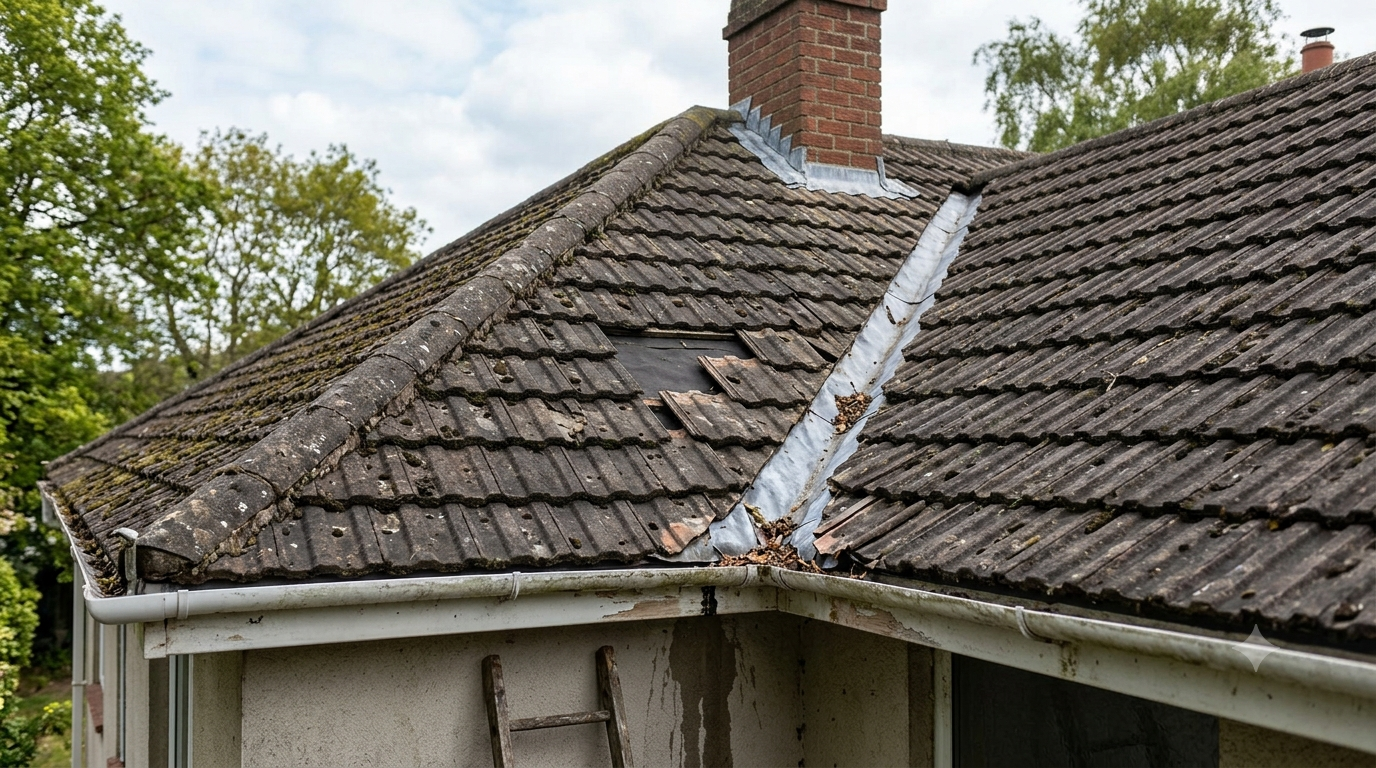
- Premature replacement
The right choice depends on location, exposure, roof structure, and performance priorities, not just upfront cost.
What Makes Aluminium Roofing Structurally Different from Steel?
One of aluminium’s biggest advantages is weight.
Aluminium roofing is significantly lighter than steel. This reduces load on the building structure, which can be especially important for:
- Retrofit projects
- Older buildings
- Lightweight framing systems
- Extensions and refurbishments
In contrast, steel roofing may require additional structural consideration, particularly on residential or low-load designs.
For projects where structural flexibility matters, aluminium often provides a safer and more adaptable solution.
How Does Aluminium Perform in Coastal or High-Moisture Environments?
Corrosion resistance is where aluminium truly stands out.
Aluminium naturally forms a protective oxide layer, making it highly resistant to rust, even in harsh environments. This makes it particularly suitable for:
- Coastal locations
- High rainfall areas
- Buildings exposed to salt-laden air
Steel roofing relies heavily on protective coatings. If those coatings are damaged over time, corrosion can develop. Zinc performs well but can be affected by certain atmospheric conditions.
In exposed UK locations, aluminium roofing often delivers longer-term reliability with less maintenance.
When Does Aluminium Outperform Zinc Roofing?
Zinc roofing is known for its aesthetic appeal and self-healing patina, but it isn’t always the most practical choice.
Aluminium makes more sense than zinc when:
- Weight restrictions apply
- Budget predictability is important
- A consistent appearance is preferred
- Faster installation is required
Zinc can be more expensive and may require specialist detailing. Aluminium offers a balance of durability and flexibility while still supporting clean, modern design.
Is Aluminium Roofing More Durable Than Steel?
Durability isn’t just about strength but about performance over time. Steel is strong, but its longevity depends heavily on coatings and maintenance. Aluminium, while softer, resists corrosion naturally and doesn’t rely on sacrificial layers for protection.
Over decades, aluminium roofing often proves more resilient in environments where moisture, pollution, or temperature fluctuations are a concern.
How Does Aluminium Roofing Support Modern Architectural Design?
Aluminium is highly versatile.
It can be:
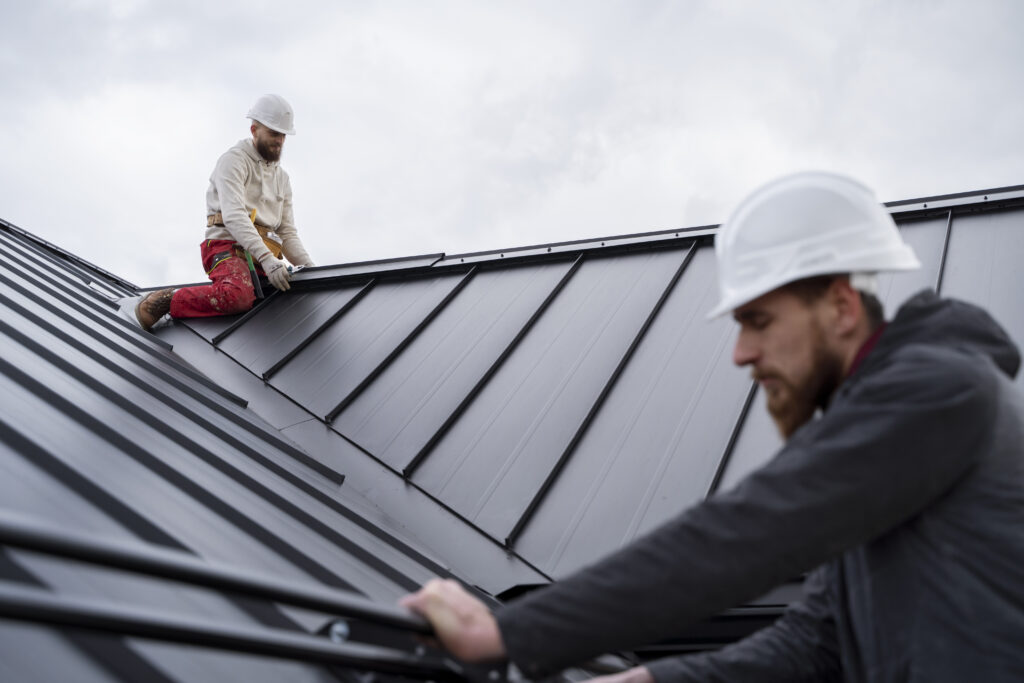
- Formed into standing seam systems
- Used on low-pitch or complex roof shapes
- Finished in a wide range of colours and coatings
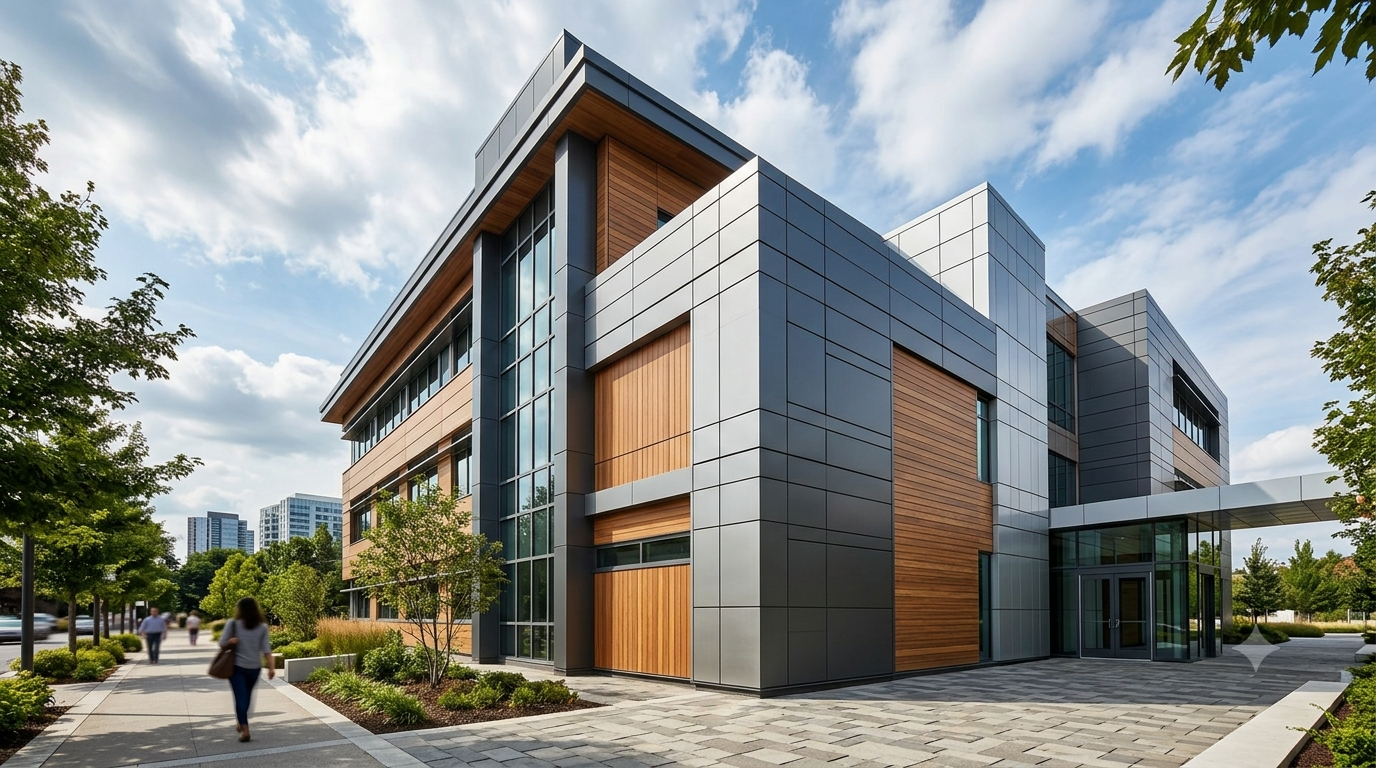
This flexibility makes aluminium popular in contemporary residential design and commercial architecture where clean lines and long-term performance are equally important.
Specialist contractors such as JTC Roofing understand how to detail aluminium roofing correctly, ensuring both appearance and performance meet expectations.
What About Maintenance and Lifecycle Costs?
Upfront cost is only part of the picture.
Aluminium roofing often delivers lower lifecycle costs because:
- It resists corrosion without heavy coatings
- It requires minimal maintenance
- It maintains structural integrity over time
Steel may appear cheaper initially, but maintenance and repair costs can accumulate. Zinc offers longevity but may involve higher material and labour costs.
For clients focused on long-term value rather than short-term savings, aluminium frequently emerges as the most cost-effective option.
Is Aluminium Roofing Environmentally Responsible?
Sustainability is an increasingly important consideration.
Aluminium is:
- Fully recyclable
- Lightweight, reducing transport emissions
- Long-lasting, reducing replacement waste
Many aluminium roofing systems use recycled content and can be recycled again at end of life, making them a strong choice for environmentally conscious projects.
When Aluminium Roofing May Not Be the Best Choice
No material is perfect for every situation. Aluminium may not be ideal where:
- Extreme impact resistance is required
- Budget constraints are extremely tight
- A traditional heritage appearance is essential
This is why professional assessment matters. The best roofing material is always context-specific.
Why Expert Installation Matters More Than Material Choice
Even the best material can fail if installed incorrectly.
Correct detailing, fixings, ventilation, and interfaces are essential to performance. Poor installation can lead to movement issues, water ingress, or reduced lifespan.
Working with experienced roofing specialists such as JTC Roofing ensures aluminium roofing systems are installed correctly, compliantly, and built to last.
Frequently Asked Questions (FAQs)
Is aluminium roofing better than steel?
Aluminium offers superior corrosion resistance and lighter weight, making it ideal for many residential and coastal applications.
Does aluminium roofing last as long as zinc?
Yes. When installed correctly, aluminium roofing can provide comparable longevity with less maintenance.
Is aluminium roofing suitable for UK homes?
Yes. Aluminium performs well in the UK climate and is widely used for both residential and commercial roofing projects.
Final Thoughts
Aluminium roofing isn’t simply an alternative to steel or zinc but often the smarter choice when weight, corrosion resistance, longevity, and design flexibility matter.
For many UK projects, particularly in exposed environments or modern builds, aluminium offers a balance of performance and value that other metals struggle to match.
The key is understanding the demands of the building and choosing a roofing solution that will perform not just today, but for decades to come.